A Guide to Cyber-Bullying Facts
📅 2026 Update: Recent Developments in Cyberbullying
Since the original article was published, no major laws have been enacted in the U.S. to specifically address cyberbullying. This means that many of the same protections and reporting methods remain in place. The information below reflects the latest updates and resources available to those affected by cyberbullying.
The earlier article continues further down the page.
📜 No Significant Legislative Changes
As of October 2023, there have been no significant legislative changes in the United States regarding cyberbullying. Laws that existed before continue to govern how cyberbullying is handled. This status quo may influence how victims seek help and report incidents.
💰 No Fees for Reporting
There are no fees associated with reporting cyberbullying incidents to federal agencies, such as the Federal Trade Commission (FTC). This means that victims can report incidents without worrying about costs, allowing them to take action without financial burden.
📝 Steps to Report Cyberbullying
Individuals can file a complaint about cyberbullying by visiting the FTC's website. This process is straightforward and designed to be accessible for everyone experiencing cyberbullying.
⏳ Processing Times Vary
The FTC does not specify exact processing times for cyberbullying complaints. This means that individuals may experience different wait times after they submit their reports. The lack of a timeline can lead to uncertainty for those seeking resolution.
📚 Free Support Resources
The Cyberbullying Research Center offers free resources and support for victims of cyberbullying. They provide educational materials and conduct research on cyberbullying trends, making it easier for individuals to understand their rights and the resources available to them.
📌 Key Points to Remember
- No major laws have changed since the original article.
- Reporting cyberbullying is free and straightforward.
- Processing times for complaints may vary.
- The Cyberbullying Research Center offers valuable resources.
- Anyone affected by cyberbullying can file a complaint.
💡 Tips for Navigating Cyberbullying
Review the details of your situation with your attorney for proper guidance.
📞 Report to the FTC
If you experience cyberbullying, consider reporting it to the FTC. They have a dedicated process for handling complaints related to such incidents.
📖 Utilize Free Resources
Take advantage of the free resources offered by the Cyberbullying Research Center. Their educational materials can help you understand the nature of cyberbullying and how to address it.
🗓️ No Deadline for Reporting
There are no specific deadlines for reporting cyberbullying incidents to the FTC. This allows victims to take their time when deciding to report.
🧑🤝🧑 Seek Support from Others
Reach out to friends, family, or support groups for help during difficult times. Talking about your experience can provide emotional relief and helpful advice.
📊 Stay Informed
Stay updated on trends in cyberbullying by following organizations like the Cyberbullying Research Center. Awareness can empower you and others to recognize and combat bullying behavior online.
🏆 Top Cybersecurity Services Ranked by User Reviews (2026)
This section highlights cybersecurity services that relate to online safety and privacy. The rankings are based on Trustpilot data as of October 2026, but these scores can change over time. Ratings reflect user experiences, and remember that unhappy customers often leave more reviews, which can affect the overall score.
🥇 1. Norton
Norton has been rated 4.5 on Trustpilot. It is known for offering cybersecurity software and identity protection services. Some users report issues with customer support response times, which could be a concern for those needing immediate help with cyberbullying incidents.
🥈 2. LifeLock
LifeLock holds a perfect score of 5.0. This service is recognized for its identity theft protection and credit monitoring services. However, some users have noted problems with account management features, which may affect user experience when managing online safety.
🥉 3. Malwarebytes
Malwarebytes has been rated 4.5. It is known for its malware detection and removal tools, which can protect users from harmful software that might enable cyberbullying. Users have reported compatibility issues with certain systems, which could impact its effectiveness for some individuals.
🆓 Free Cyberbullying Support Resources
The Cyberbullying Research Center provides free educational materials and support for those affected by cyberbullying. These resources can help victims understand their rights and find ways to report incidents effectively.
🔎 Considerations When Choosing a Cybersecurity Service
- 🔒 Type of protection offered
- 💬 Customer support availability
- ⚖️ User reviews and satisfaction
- ✳️ Compatibility with existing systems
- 🌐 Range of services provided
❓ Frequently Asked Questions
❓ What should I do if I experience cyberbullying?
If you experience cyberbullying, report it to the FTC through their website. They have a process in place for handling complaints.
🛡️ How can I protect myself from cyberbullying?
To protect yourself, use privacy settings on your social media accounts and be aware of who can see your information. Regularly update your passwords and security measures.
🤝 Can I get support from nonprofit organizations?
Yes, the Cyberbullying Research Center offers free resources and support for victims of cyberbullying. They provide educational materials to help you understand your options.
📞 How do I contact the FTC for cyberbullying issues?
You can file a complaint with the FTC by visiting their website and following the instructions provided for reporting cyberbullying.
🗓️ Is there a time limit for reporting cyberbullying incidents?
There are no specific deadlines for reporting cyberbullying incidents to the FTC, allowing victims to report at their convenience.
🏢 What types of services can help with cyberbullying?
Services like cybersecurity software, identity theft protection, and educational resources can help individuals address and prevent cyberbullying.
⚖️ Recent Cyberbullying Cases
Recent court rulings have addressed various aspects of cyberbullying, impacting how cases are handled legally. These rulings can shape the future of protections available to victims and how incidents are prosecuted.
- Oregon Court upholds conviction for online sexual corruptionCourt of Appeals of Oregon · May 28, 2026
- Arkansas Court upholds conviction for computer fraud caseCourt of Appeals of Arkansas · August 26, 2026
- Texas Court upholds conviction in computer security caseTexas Court of Appeals, 1st District (Houston) · August 6, 2026
- Massachusetts court upholds convictions for online abuseMassachusetts Appeals Court · May 14, 2026
To learn more about recent rulings, you can browse more rulings on the news page.
End of October 2026 Update
What are Cyber-Bullying Facts?
The rise of the release of Cyber-Bullying Facts have taken place in tandem with the growing rate of Cyber-Bullying taking place within modernity, as well as the tragic effects that it has rendered with regard to children and minors. Currently, individuals below the age(s) of legal adulthood are considered to be the primary targets of Cyber-Bullying.
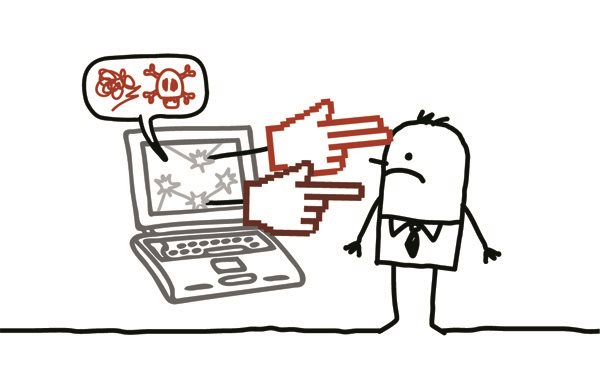
Cyber-Bullying is an act of harassment and abuse that takes place within a digital setting, most commonly classified as Internet or Online-based forums. Due to the fact that the act of Cyber-Bullying is inherent to a virtual realm, Cyber-Bullying Facts elucidating not only the growth of Cyber-Bullying, but also its effects, are set forth by various advocacy groups in order to prevent the proliferation of this crime.
Cyber-Bullying Facts #1
The following Cyber-Bullying Facts address the frequency and statistics:
Cyber-Bullying Facts state that almost 50% of children have been the victims of some nature of Cyber-Bullying. The primary demographic of the victims of Cyber-Bullying are those below the age of legal adulthood.
Cyber-Bullying Facts state that children between the age(s) of 11 and 13 are amongst the most common victims of Cyber-Bullying. Statistics reflect that upwards of 90% of children between these ages have been victims of Cyber-Bullying.
Females are considered to be approximately 50% more likely to be victims of Cyber-Bullying than males.
In recent studies, Cyber-Bullying Facts released illustrating the rise of Cyber-Bullying between the years 2009 and 2010 maintain that the rate of Cyber-Bullying has grown upwards of 50%.
Cyber-Bullying Facts #2
The following Cyber-Bullying Facts address the methods and actions:
Cyber-Bullying Facts state that almost 75% of Cyber-Bullying taking place occurred through the undertaking of abuse on the part of the Cyber-bully. The second most common form of Cyber-Bullying takes place through the exclusion or shunning from an online community.
Almost 50% of children who have been victims of Cyber-Bullying have maintained that the illegal and unlawful access of personal information, including the online trespass into their personal accounts, has taken place. This includes the fraudulent usage of email addresses, passwords, and social networking profiles.
Cyber-Bullying taking place within ‘chat rooms’ accounts for almost 60% of electronic communication-based Cyber-Bullying. Upwards of 20% of the victims of Cyber-Bullying have reported the receipt of threats, abuse, and harassment through E-mail-based communication.
Cyber-Bullying taking place through the use of social networking websites is considered to have affected almost 60% of children between the age(s) of 10 and 17. Within this statistic, the victims state that they have been the target of Cyber-Bullying more than one time.
Cyber-Bullying Facts #3
The Following Cyber-Bullying Facts address methods to get help:
In the event you or someone you know has been, or is currently, the victim of Cyber-Bullying, you are encouraged to contact the following resources:
The National Cyber Alert System, which is sponsored by the United States Department of Homeland Security.
Individuals are also encouraged to contact the National Crime Prevention Council through their telephone number: (202) 466-6272.
Remember, Cyber-Bullying is considered to be a crime of both an abusive and harassing nature. Neither you nor anyone else is required to undergo any nature of abuse.