Phishing Explained
📅 2026 Update: Recent Changes in Phishing and Cybersecurity
Since the original article on phishing was written, there have been no major changes in U.S. cyber law related to phishing and scams from 2024 to 2026. The Cybersecurity Act of 2022 remains the most significant law affecting cyber threats today. This update will highlight important aspects of the law and current phishing trends.
🛡️ Enhanced Reporting Requirements
The Cybersecurity Act of 2022 requires critical infrastructure entities to report significant cyber incidents to the Cybersecurity and Infrastructure Security Agency (CISA) within 72 hours of discovery. This law aims to improve the response to cyber threats, including phishing.
- 📅 This increased urgency helps protect more people by allowing authorities to act quickly against phishing attacks.
🚨 Ongoing Phishing Incidents
Phishing attacks continue to be a widespread threat. Attackers often use fake emails, websites, and messages to trick individuals into sharing sensitive information.
- 📧 Reports from recent years show that phishing remains one of the most common cyber threats faced by everyday users.
📝 Reporting Phishing Attempts
Individuals can report phishing attempts to the Federal Trade Commission (FTC). Reporting helps keep track of these incidents, making it easier to identify patterns and tackle the issue.
- 📢 The FTC also provides resources and guidance on recognizing and avoiding phishing scams.
💻 State Resources for Protection
Many state attorneys general offer resources to help consumers protect themselves from phishing and scams. For example, the New York State Attorney General's office provides valuable information on recognizing phishing attempts.
- 📚 These state resources can be an excellent way for residents to stay informed and vigilant.
📌 Key Takeaways on Phishing and Cybersecurity
- 🔒 The Cybersecurity Act of 2022 is the latest major law addressing phishing.
- 📧 Phishing attacks remain a significant threat to individuals.
- 📝 Reporting phishing attempts to the FTC is encouraged to help combat this issue.
- 💻 State resources can provide additional protection against online scams.
💡 Tips for Protecting Yourself from Phishing
Review your situation with an attorney to ensure you fully understand your rights and options.
🔎 Recognize Phishing Emails
Phishing emails often look real but contain mistakes. Check for unusual sender addresses, poor grammar, or unexpected attachments.
⚠️ Avoid Clicking on Links
Do not click on links in emails from unknown senders. Hover over links to see where they lead before clicking.
🔐 Use Strong Passwords
Use strong, unique passwords for online accounts. Consider using a password manager to keep track of your passwords securely.
📲 Enable Two-Factor Authentication
Two-factor authentication adds another layer of security. This means you need a second form of identification to log in, making it harder for attackers to access your accounts.
📞 Report Suspicious Activity
If you suspect phishing, report it to the FTC. Quick action can help prevent further incidents and protect others from similar scams.
🏆 Free Options Ranked by User Reviews (2026)
No national paid services qualified for this topic based on user reviews. Instead, this section highlights free government and nonprofit resources available to assist with phishing and cyber threats.
🥇 1. Federal Trade Commission (FTC)
The FTC offers resources for consumers to report phishing attempts. They provide detailed guidance on how to recognize and avoid these scams.
- 📄 Their website includes tips and information about common phishing tactics, helping users to stay informed.
🥈 2. Cybersecurity and Infrastructure Security Agency (CISA)
CISA provides guidelines on protecting against phishing and other cyber threats.
- 🛡️ Their resources help individuals and organizations improve their cybersecurity practices, making it harder for attackers to succeed.
🥉 3. State Attorneys General Offices
Many state attorneys general have consumer protection resources related to phishing and online scams.
- 🏛️ These offices often provide localized information, making it easier for residents to understand the risks specific to their area.
4️⃣ Nonprofit Organizations
Various nonprofit organizations focus on cybersecurity education.
- 💡 They provide workshops, materials, and resources aimed at helping the public understand phishing and other cyber threats.
🔎 What to Check Before Paying for Help
- 🧐 Verify the legitimacy of any service offering help with phishing.
- 📜 Look for reviews or ratings from other users.
- 💰 Be cautious of high fees for basic information.
- 🕵️♂️ Research the organization's background and mission.
❓ Frequently Asked Questions
❓ What is phishing?
Phishing is a type of cyber attack that uses deceptive emails, messages, or websites to trick people into revealing sensitive information.
🔍 How can I report phishing?
You can report phishing attempts to the Federal Trade Commission (FTC) through their website. Reporting helps track and combat these incidents.
📩 What should I do if I clicked on a phishing link?
If you've clicked on a phishing link, change your passwords immediately. Monitor your accounts for any suspicious activity and report the incident.
🛡️ How can I protect my personal information online?
Use strong passwords, enable two-factor authentication, and be cautious with the information you share online.
🎓 Where can I find more phishing resources?
The FTC and CISA provide valuable resources and information on recognizing and avoiding phishing scams.
📊 Are there any laws against phishing?
Yes, phishing is illegal under various laws, including the Cybersecurity Act of 2022, which addresses cyber threats and mandates incident reporting.
⚖️ Recent Cases Related to Phishing
Recent court rulings have addressed phishing and its legal implications. These cases often involve penalties for those who engage in phishing scams and protections for victims.
- Oregon Court upholds conviction for online sexual corruptionCourt of Appeals of Oregon · May 28, 2026
- Arkansas Court upholds conviction for computer fraud caseCourt of Appeals of Arkansas · August 26, 2026
- Texas Court upholds conviction in computer security caseTexas Court of Appeals, 1st District (Houston) · August 6, 2026
- Massachusetts court upholds convictions for online abuseMassachusetts Appeals Court · May 14, 2026
For more recent rulings, browse more rulings on the news page.
End of October 2026 Update
What is Phishing?
Due to the constant evolution of Cyber Law, the question asking ‘What is Phishing?’ is commonplace with regard to the growing reliance and utilization of the Internet and Online Marketplace. The criminal activity known as Phishing is classified as a variety of fraud that exists within a digital, virtual, or electronic network setting.
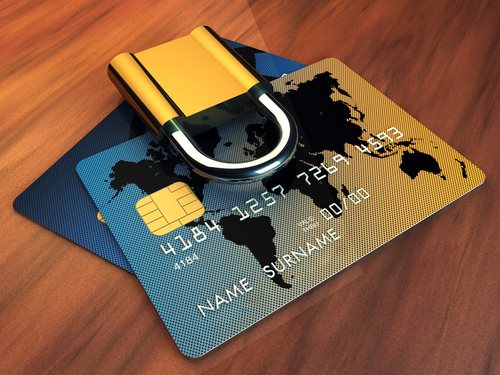
The act of Phishing is the undertaking of unlawful, unethical, and illegal means facilitated by individuals with the intention of soliciting private, personal, and privileged information from individuals unfamiliar, unsuspecting, or unaware of the Phishing operation taking place.
What is Phishing-based Solicitation?
The illegal and unlawful attempt to obtain restricted, unauthorized, and privileged information through means of fraudulent and communicative requests is the primary methodology innate within Phishing Scams. Phishing Scams typically take place through the following means:
The individuals masterminding a Phishing scam will purposefully misrepresent themselves within a fraudulent light, oftentimes posing as representatives of reputable and official businesses. Fraudulent e-mail addresses emulating those of reputable companies and business will be created within a Phishing Scam in order to solicit financial or account information.
The unsuspecting victim of a Phishing scam may be unaware of the policies of operations undertaken by certain companies, and thus may provide their personal information. However, a bulk of legitimate businesses and companies adamantly maintain that personal information will never be discussed through electronic correspondence.
What is Phishing Legislature and Legality?
Phishing crimes and scams are primarily regulated through the implementation of the precepts and legislation expressed within the tenets of Cyber Law and Commercial Law. Online business and electronic-based commercial activity conducted through the internet has allowed for transactions once limited to physical interaction to be conducted on an entirely virtual basis.
What is Phishing Cyber Law?
Crimes such as Phishing, as well as other means of electronic fraud, rely heavily on the Internet and online activity. As a result, the regulations and oversight of this type of activity has been expressed in the spectrum of Cyber Law, which is also known as Internet Law. Cyber Law is a fairly expansive legal field that consists of a variety of avenues and jurisdictions, including the ethical and moral use of the Internet for lawful and legal purposes.
What is Phishing Commercial Law?
Commercial Law – and more specifically, commercial law responsible for the oversight and regulation of commercial activity taking place within an online, virtual setting – includes commercial endeavors and efforts enacted with regard to the conducting of business in a virtual commercial setting, typically rooted in the facilitation of opportunities to participate in the manufacturing, distribution, production, consultation, and management within the setting of the virtual marketplace.
What is Phishing Prevention?
In the event that an individual has been made the victim, or recipient, of Phishing-based solicitation, they are encouraged to contact the Federal Trade Commission. The Federal Trade Commission is a Federal institution mandated by the United States Government responsible for the maintenance, protection, and regulation of commercial activity undertaken within the commercial marketplace.
The Federal Trade Commission can be reached through their toll-free telephone number: (202) 326-2222. Reporting Phishing violations can be conducted in an anonymous fashion.